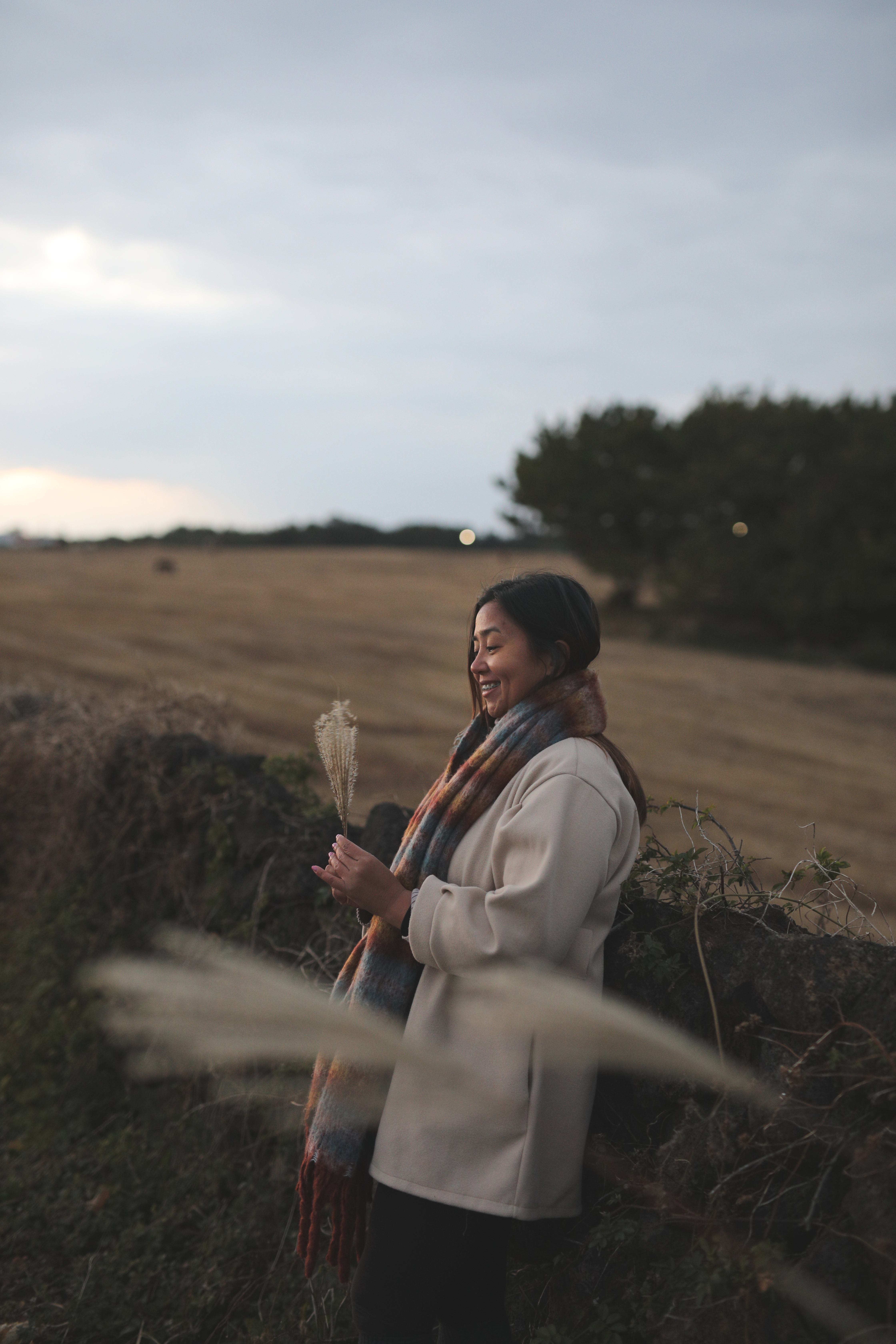
Jeju isn’t just beaches and waterfalls—it’s volcanic landscapes, hidden trails, and unforgettable local experiences. Curious how to explore this island like a pro? Read my guide!
Part 1 link here
Part2&3 link here
Disclaimer: All views expressed on this blog are my own based on my own experiences and do not represent of any entity with which I have been, are now or will be affiliated.
December 26, 2024
Batangas, Philippines
Date of Trip – December 06-17
Jeju– December 14-17
My itinerary for South Korea trip included the following locations based on provinces: First part Seoul, Gyeonggi-do (Suwon, Yongin and Hanam), Gangwon Province (Nami Island and Garden of the Morning Calm) 2nd part Busan, 3rd part Gyeongju, 4th part Jeju
Jeju Island, located southwest of the Korean Peninsula, is a top destination known for its stunning natural beauty and unique volcanic landscape. Famous for its volcanic craters, lush forests, dramatic cliffs, and beautiful beaches, Jeju is home to nearly 10% of its area covered by UNESCO-listed lava tubes formed by ancient lava flows.
A distinctive feature of Jeju’s culture is the Haenyeo, traditional female divers who have been harvesting seafood from the depths of the ocean for centuries. These remarkable women dive without oxygen tanks, using only a mask and fins, to collect shellfish, seaweed, and other marine life. The Haenyeo culture is a UNESCO-recognized tradition and is a unique aspect of Jeju’s maritime heritage.
In addition to its natural wonders, Jeju boasts a rich cultural heritage. Visitors can explore charming villages, ancient temples, and enjoy local specialties like Jeju black pork and fresh seafood. The island is also famous for its “Harubang” stone statues, symbols of protection and good fortune.
December 14, 2024 (Saturday)
Day9
My flight to Jeju was at 6:50 AM from Gimhae Airport, with a flight duration of about an hour from Busan. I flew with Airbusan for PHP 3,520, which included 15kg of checked baggage and 10kg of carry-on luggage. However, I had to pay an additional charge for the checked baggage at the airport.
I booked an Uber early in the morning and arrived around 4:15 AM, only to discover that Gimhae Airport closes at night and opens around 4:30 AM. The airport desk doesn’t open until 5:30 AM. I should have realized that it operates differently from airports in Seoul. Locals explained that the airport’s hours are influenced by complaints from nearby residents about airplane noise. As a result, the latest flights usually depart around 9 PM, and the earliest ones around 6 AM. This was my first time encountering an airport that closes in the evening, as airports in the Philippines operate 24/7 for both domestic and international flights.
Additionally, the domestic terminal is just a few minutes’ walk from the international terminal. I mistakenly queued at the international terminal, but fortunately, the ground crew redirected me. Since I was early, it wasn’t a big deal, and I didn’t have to hail a taxi to get to the domestic terminal, as it was within walking distance.

Gimhae Domestic Airport is much smaller than the international terminal but is clean and has a few cafes. After checking in, I grabbed a coffee and was on my way. My flight was on time and arrived in Jeju as scheduled.
Upon arriving at Jeju Airport, I met my guide for the next two days, James. He’s a local from Jeju who spent 25 years working in the Philippines, so he speaks both Tagalog and English. I found his page on Facebook and had an amazing experience with him, as he’s not only extremely knowledgeable about Jeju but also very friendly and accommodating. You can message him directly on his Facebook page to book a tour, and his WhatsApp and KakaoTalk details are also listed there.
I requested to start with the West and South tour of Jeju, so we met right at the airport and jumped into the Day 1 itinerary. The tour costs 200,000 KRW for 8 hours, and since I’m staying in Seogwipo, which is outside Jeju City, there’s an additional 30,000 KRW travel fee. I highly recommend renting a car for convenience, but since I don’t drive, I opted for a tour guide who could drive me around Jeju.
Itinerary:
1. Aewol Street Cafe
2. Hyeopjae Beach
3. Ossuluc Tea Museum and Innisfree Jeju House
4. Tangerine Farm
5. Jusangjeollidae
6. Yakcheonsa Temple
7. Seogwipo Jeongbang Waterfall
8. Cheonjeyeon Waterfall
9. Saeyeongyo Bridge (Saeseom Island)
10. Oedolgae
11. Seogwipo
12. Seogwipo Olle Market
13. Jeju Beer Fountain
Food Places:
1. Bomnal
2. Blessing in Disguise
3. Meokgo Jeong Seogwipo Olle Sijang Branch
Things to Keep in Mind:
- Expect a fair amount of walking, so be sure to wear comfortable footwear.
- Keep in mind that there are stairs leading up and down to the waterfall, but they are manageable.
Aewol Street Cafe
The area is lined with stylish cafés that often feature modern designs, offering everything from locally brewed coffee to delicious desserts and pastries. Many of these cafes have large windows or outdoor terraces, allowing guests to enjoy the breathtaking views of the coastline and the expansive ocean.
Bomnal
5k-10k KRW
It was quite windy when I arrived in Jeju, and the strong winds made the waters along the sea next to Aewol Street Café quite wavy. I decided to try Bomnal, a café known for its beautiful exterior and interior. When you arrive, you need to order at the outside counter, and a staff member will check the receipt before you can enter.
I ordered a muffin and a coffee, but unfortunately, I was disappointed with both. The cheese muffin was dry and lacked moisture, while their specialty coffee was rather bland. It might just be a matter of personal taste, but I felt that the café is more focused on being a visually appealing spot for photos rather than offering a place to enjoy well-crafted coffee. If you’re looking for a great cup of coffee, this might not be the place, though it certainly makes for a lovely setting to take pictures. Please see video here

As I walked through Aewol Street Cafe, I noticed that G-Dragon’s (of BigBang) café, Monsant, was no longer there. It has been replaced by CrabJack, which is supposed to be just a short walk from Bomnal. However, the listings for Monsant on Google and Naver Maps haven’t been updated, so visitors may get confused if they haven’t checked recent reviews. Be sure to check the Google reviews for the latest information, as Monsant has now closed.
Blessing in Disguise
17k to 20k KRW
Blessing in Disguise is just a 5-minute drive from Bomnal. The restaurant is spacious, clean, and even has a bathroom. What I love is that they cater to solo travelers by allowing you to order just one set meal, without the requirement of ordering a minimum of two dishes. It’s perfect for those dining alone!
I tried their bestseller—the stone pot rice with abalone and nuts, served with a variety of banchan (side dishes), including grilled mackerel. I have to say, the mackerel was the best fish I’ve ever tasted! Although we have mackerel in the Philippines, I’ve never eaten it with the skin on, but in Jeju, I can even ate the fish bones! (kidding) Haha! I really enjoyed my meal here, and the food was absolutely amazing. If you’re in South Korea, you can find them on Naver!
Hyeopjae Beach
Hyeopjae Beach is one of the most beautiful and well-loved beaches on the western coast of Jeju Island, South Korea. Famous for its soft white sand and clear turquoise waters, it’s a popular spot for both locals and tourists. When we arrived, it was quite windy, which explains the look in the photo!
There are also plenty of cafes, restaurants, and places to stay nearby, many with stunning ocean views. I made a brief stop to enjoy the scenery, but then it was time to head to our next destination!

Ossuluc Tea Museum and Innisfree Jeju House
Ossuluc Tea Museum
No entrance fee
Ossuluc Tea Museum is a fascinating destination for tea lovers and those interested in the island’s tea culture. The museum is dedicated to showcasing the history, tradition, and process of tea production on Jeju Island, particularly focusing on Ossuluc, a local variety of green tea.
Innisfree Jeju House
No entrance fee
Right next to the Ossuluc Tea Museum is Innisfree Jeju House, a flagship store set in the beautiful Seogwipo area. The store features a wide range of Innisfree products, many made with Jeju’s natural ingredients like green tea, volcanic ash, and tangerines. I also had a snack at their café, which serves drinks crafted from local Jeju ingredients, such as green tea lattes and tangerine juice.
Next time, I’d probably skip this one, as it’s not really my cup of tea. While I enjoyed visiting, I believe there are much better tea cafes in other parts of Jeju.
Tangerine Farm
No entrance fee
When I think of winter in Jeju, the first image that comes to mind is the sight of bright orange tangerines lining the stone walls of rural villages. Visiting a tangerine farm was incredibly relaxing; even though I didn’t pick any myself, it was so pleasant to be surrounded by the sweet scent of the fruit. Tangerines are truly everywhere on Jeju!

Jusangjeollidae
2k KRW entrance fee
Jusangjeollidae is a stunning natural rock formation located on the southern coast of Jeju Island, South Korea. This unique geological wonder is famous for its impressive hexagonal basalt columns that were formed by volcanic activity millions of years ago. The name “Jusangjeollidae” roughly translates to “pillar-like rocks” or “cliff-like rocks,” which is a fitting description of the striking columnar shapes that rise from the ocean.
Yakcheonsa Temple
No entrance fee
Yakcheonsa Temple is a magnificent Buddhist temple located on Jeju Island, South Korea. Nestled on the slopes of Mount Halla, the temple is known for its impressive architecture, serene atmosphere, and stunning natural surroundings. It is one of the largest and most important temples on the island and a must-visit destination for those interested in Jeju’s cultural and spiritual heritage.


Seogwipo Jeongbang Waterfall
2k KRW entrance fee
Seogwipo Jeongbang Waterfall is a standout natural landmark on Jeju Island, South Korea. Situated near the city of Seogwipo, it is renowned for its distinctive characteristic: it is one of the rare waterfalls in the world that plunges directly into the ocean.
Cheonjeyeon Waterfall
2k KRW entrance fee
The waterfall, located in the southern part of Jeju, near the village of Seogwipo, is often referred to as the “Waterfall of the God’s Pond”, a name that highlights its mystical connection to local legends. The name Cheonjeyeon translates to “Pond of the God”, and it is said to be a place where fairies descend to bathe.
Saeyeongyo Bridge
No entrance fee
Saeyeongyo Bridge (also known as Saeseom Island Bridge) is a visually impressive and iconic structure, with a backdrop that recalls the Burj in Dubai. It links the mainland of Jeju to Saeseom Island, a picturesque and serene island off the coast of Seogwipo. I had an amazing walk here, taking in the stunning surroundings.
Oedolgae
Oedolgae is famous for its towering, lone rock pillar that stands tall in the ocean, reaching a height of about 20 meters. This rock is said to have been formed over thousands of years through volcanic activity and erosion, making it a unique geological feature on Jeju Island.


Accommodation
I booked via Airbnb in Seogwipo for 4D3N stay here. My stay in Seogwipo was made even more memorable thanks to this place. I absolutely loved everything about it—the breathtaking view from my room, the clean and well-kept space, the comfortable bed and pillows, the nearby cafes and restaurants, and the pristine bathroom. It was so cozy that I didn’t want to leave!
I also used the laundry facilities on the first floor, and even though there were no elevators, ShinHyeok kindly assisted me with my luggage. He provided clear instructions about the place, recommended fantastic restaurants, and even folded my clothes when I accidentally left them in the dryer, as he needed to use it. That thoughtful gesture really meant a lot to me!
When I return to Jeju, I’ll definitely stay here again and wholeheartedly recommend this place to my friends.
Meokgo Jeong Seogwipo Olle Sijang Branch
50K KRW need min 2 order
This spot was recommended by ShinHyeok, the owner of my Airbnb, and it turned out to be the best black pork in Jeju. The Jeju Black Pig is a rare breed native to Jeju Island, South Korea, renowned for its high-quality black pork. Jeju pork has less fat, firmer meat and a chewier taste. I loved it so much! There was a short wait when I arrived, but I was seated quickly. Dining solo for Korean barbecue can be a bit awkward at first since it’s usually a shared experience, but once I tasted the black pork, I realized I couldn’t possibly share it—it was too delicious, and I wanted it all to myself. haha! The portion for one is small, so ordering two is totally fine. Plus, the staff even cooks the meat for you, and let me tell you, it’s absolute melt-in-your-mouth goodness! More video here.
Seogwipo Olle Market
After a sumptuous meal, I decided to take a walk at Seowipo Olle Market which is the largest market in Seogwipo. The layout of the market is designed to allow visitors to easily navigate through the various shops and vendors. To enhance the shopping experience, the market offers free delivery service, along with cultural programs and outdoor performances for customers to enjoy. I did not try anything here because I was so full.
Jeju Beer Fountain
While walking, I stumbled upon this local craft beer pub in Jeju and knew I had to give it a try. It’s well-known for its impressive selection of local Korean beers, offering 12 craft beers from local breweries, including their own brews. They also provide a free tasting service, so you can sample beers before making your choice. Since it was quite cold and the seating was outdoors, I decided to take away my Hallasan beer. It had a smooth, tangy flavor that I really enjoyed. I loved it so much and will definitely be having more when I return.
December 15, 2024 (Sunday)
Day10
Itinerary:
1. Jaguri Park
2. Seongsan-Doldam-gil
Food Spots
1. Youdong Coffee
2. The Pig that Sees the Sea
3. Pouja
4. Seongsan Deogi
I was planning to hike Mt. Hallasan, but I received a helpful notice from Jeju Island Travel informing me in advance that all trails were closed. I had intended to do a solo hike up the mountain via Gwaneumsa trail and supposed to descend via Seongpanak trail. I will definitely be back for this hike. I’m eager to reach the highest point in South Korea—hiking mountains is always an exciting part of my travels.
Things to Keep in Mind:
- Hallasan Mountain has two summits. The Yeonsil and Eorimok trails lead to the second summit, which is 1,700 meters above sea level. To reach the highest summit, Baekrokdam (1,950m), you’ll need to take either the Seongpanak or Gwaneumsa trail, which takes about 10 hours.
- If you plan to hike the Gwaneumsa or Seongpanak trails, you must make a reservation in advance here, though it’s free of charge. Reservations are not required for other trails.
- Please be aware that there is a cutoff time for reaching the summit. Check the website for updates and opening times for each season.
- Make sure to stay updated, as some trails may be closed due to weather conditions. Click here.
- If you decide not to hike and have made a reservation in advance, please be sure to cancel it ahead of time, as they are strict about no-shows for those with reservations.


I decided to rest and try cafes in Seogwipo area. I love Seogwipo, it is located on the southern coast of Jeju Island and has a more relaxed, laid back vibe. It’s surrounded by lush landscapes, waterfalls, and beautiful coastlines, making it ideal for nature lovers and outdoor activities.
Youdong Coffee
9k to 15k KRW
I had a breakfast 15 minute walk from my airbnb in this quaint cafe. Upon entering, you’d smell the aroma of their coffee and it was so inviting. They also have different coffee flavors, I picked iced americano berry and was so satisfying and strong. I also loved their chocolate croffles, it was crispy but moist on the inside. I loved it so much that I will visit this again when I go back to Jeju.

Jaguri Park
I decided to unwind at a nearby park before heading to my next dining destination. Jaguri Park is a lovely and refreshing oceanfront park in Jeju, offering breathtaking ocean views, lush green spaces, and meaningful statues. It’s the perfect spot for a morning stroll or a scenic stop.


The Pig that Sees the Sea
2nd floor
20K KRW
After relaxing at the park, I visited another restaurant nearby that serves delicious Jeju black pork. Unlike the restaurant I visited last night, this one only requires a minimum order of one serving for a diner. I ordered 1 set meal of stone pot rice, abalone hot pot stew and 100g of Jeju black pork. The view is fantastic, overlooking both the park and the sea. The main difference from other Korean BBQ places I’ve tried is that here, you cook the meat yourself, but I managed to cook my pork perfectly. I also loved their abalone liver sauce! I had a great time here.
Pouja
10k to 30k KRW
Below the restaurant is a café and bar. I tried their jasmine latte, which had a lovely floral taste, and I also took away some tangerine beer, which was incredibly smooth! I loved it so much, and the owner mentioned that he made it himself, which was really cool!

Seongsan-Doldam-gil and Photography Tour in the East
Seongsan-Doldam-gil is a scenic and charming walking trail located near Seongsan Ilchulbong (also known as Sunrise Peak) in the East.
I booked an Airbnb experience with Tony, where we explored various spots in the East, including the Jeju Olle Trail (East part). I had an incredible time with him and absolutely loved the photos. I was hoping to have some photo mementos from my trip to Jeju, and this experience came highly recommended. I love everything! I had no idea how to pose, but thanks to Tony, I enjoyed every moment. I didn’t realize it was an hour away from Seogwipo, and taking an Uber would cost around 40,000 KRW, but he was extremely patient and waited for me throughout the shoot. He also recommended a great food spot and showed me how to catch the bus back to Seogwipo! You can book his Airbnb experience in this link.


Seongsan Deogi
30k KRW
Tony dropped me off at a local Korean restaurant, and I was pleasantly surprised to see Filipinos working there for the first time. I decided to order grilled mackerel and oolongsam set meal. The grilled mackerel was absolutely delicious and surprisingly large! I really enjoyed the meal, savoring every bite before heading back. Since the East and South parts of Jeju are quite far from each other, I had to take a bus to return, which took about an hour to reach my place. Despite the long ride, it was a great way to reflect on the wonderful experience I had that day.


December 16, 2024 (Monday)
Day11
Itinerary
1. Secret Forest
2. Snoopy Garden
3. Seongsan Ilchubong
4. Seongeup Folk Village
5. Woljeongri Beach
6.. Hamdeok Beach
Food Spot
1. Myeongjin Abalone Restaurant
2. Cafe Delmondo
3. J Haxe Restaurant
James picked me up at my Airbnb, and we set off for our East tour.
Secret Forest
Secret Forest, located in Gujwa-eup, Jeju-si, is a natural forest path that has become a popular selfie spot on social media. The area features a mix of unique elements, including a rare cypress forest, expansive grasslands, stone walls, and log cabins, along with photo opportunities that capture the distinctive charm of Jeju Island. I visited the spot and admired its beauty, but it’s definitely more suitable for photo ops rather than just lingering there. There’s a small blue van where you pay an entrance fee of 4,000 KRW, and you can also buy coffee, although they don’t have ice. I opted for a hot Americano instead.


Snoopy Garden
09:00-19:00 (Last admission 18:00)
Individuals – Adults 20k won
Please note that re-entry is not allowed if you accidentally exit the garden.
Snoopy Garden House is a delightful attraction where visitors can meet Snoopy and his beloved friends from the iconic American comic series Peanuts. The venue is thoughtfully designed around the theme of Peanuts, Nature & Life, allowing visitors to connect with the characters and their everyday adventures through various episodes. The garden house features five unique themed halls, each showcasing different aspects of the Peanuts universe. In addition to the halls, there is also a Peanuts store where fans can purchase themed merchandise. It’s a wonderful place for both Peanuts enthusiasts and families to enjoy a fun, immersive experience.
I really loved this garden and also their souvenir shop and cafe. I even bought my tangerine cap here, I was so in love and this was so relaxing I could stay here forever. I will come back here again!
Note: This is also the place where I almost broke my brother’s phone. I was using his phone and tripod, but due to the wind, it fell and hit the ground.


Myeongjin Abalone Restaurant
Myeongjin Jeonbok is renowned for its fresh abalone dishes, with abalones sourced directly from its nearby farm. We tried the buttered grilled abalone, and it was absolutely delicious—so fresh and flavorful! I loved it! More video here.
Seongsan Ilchulbong
07:30-20:00
Close first Monday of everymonth
Individuals – Adults 5,000 won entrance fee
Seongsan Ilchulbong, also known as Sunrise Peak, is one of Jeju Island’s most famous landmarks and a UNESCO World Heritage site. This extinct volcanic crater rises dramatically from the coastline, offering stunning views and a unique landscape. Standing 180 meters above sea level, Seongsan Ilchulbong was formed by an underwater eruption around 5,000 years ago, making it a rare and distinctive example among the many craters on Jeju Island.
I had an amazing time hiking in this park to see the crater. It took me about 30 minutes, and I must admit, the trail was very well-maintained, making it accessible for anyone to hike up. It’s definitely a must-see when you’re in Jeju. Since it was winter and quite windy, I wasn’t able to catch the Haenyo performance, which is part of the program at Ilchulbong. Additionally, the Haenyo Museum is closed on Mondays, so I’ll definitely have to visit it next time.


Seongeup Folk Village
Free entrance
Seongeup Folk Village is a traditional village located in the northern part of Jeju Island, South Korea. It offers a fascinating glimpse into the island’s cultural heritage and is a popular tourist destination for those interested in Jeju’s history, architecture, and customs. The village is famous for its well-preserved thatched-roof houses, known as Jeju hanok, built with volcanic rocks. These homes are a hallmark of Jeju’s traditional architecture, and strolling through the village provides a unique opportunity to step back in time and experience how people lived centuries ago.
I did not see any shows when I went here but definitely going back here again to see the shows!


Woljeongri Beach
Woljeongri Beach is a serene and picturesque beach located on the eastern coast of Jeju Island, South Korea. The area around the beach is home to several trendy cafés with spectacular ocean views. I did not stay long here but definitely did try the photobooth across the beach for 5k KRW. I love it!


Hamdeok Beach
The final stop before I head over to my next airbnb. I really loved the ambiance of the beach here compared to Woljeongri. The beach is famous for its crystal-clear waters and gentle waves, making it ideal for swimming and wading.
The area around Hamdeok Beach is home to a variety of cafés, restaurants, and small shops. Visitors can enjoy fresh seafood or a cup of coffee while taking in the stunning ocean views.

Cafe Delmoondo
10k KRW
Cafe Delmoondo is a chic and well-known café situated near Hamdeok Beach. Famous for its breathtaking location, spacious ambiance, and tasty beverages, it provides a perfect place to unwind while enjoying the beautiful beach and ocean views. I particularly loved the mugwort latte and sweet potato—it was a delightful experience!

Accommodation
I booked my Airbnb accommodation along Dodu Coastal Road and absolutely loved the place. Although there was no elevator, the owner kindly helped me with my luggage. The room was spacious and offered a beautiful view of the Dodu Rainbow Coastal Road. I really enjoyed my stay, and it was a pleasant experience overall.


J Haxe Restaurant
27k KRW
After checking in, I decided to try a restaurant within walking distance of my Airbnb, and I was thoroughly satisfied. The restaurant features a stylish and modern design, offering a cozy yet upscale dining experience. While the menu changes seasonally, J Haxe is particularly known for its seafood dishes, including seafood platters and fish options. They even sell souvenirs on-site. I ordered the dried cuttlefish tomato-based pasta, along with mini curry wurst and a beer, and I loved every bite!


December 17 2024 (Tuesday)
Day12
I can’t believe this is my last day to Jeju and South Korea. My flight is still until 1pm so I have sometime to spend.
Itinerary:
1. Jeju City Traditional 5-day Market
2. Iho Tewoo Horse Lighthouses
Jeju City Traditional 5-day Market
The Jeju City Traditional 5-Day Market is a well-known and highly frequented market on Jeju Island. Unlike typical markets, it operates only on specific dates—every 5 days—falling on dates ending in 2 and 7, such as the 2nd, 7th, 12th, 17th, 22nd, and 27th of each month. This distinctive schedule creates a sense of anticipation and excitement for visitors!
The market’s stalls are divided into distinct zones, each representing one of five themed streets: Daebak (Awesome) Street, Love Street, Happiness Street, Health Street, and Cheerful Street.
I’m so glad I had the chance to visit the market during my time in Jeju, and I even bought sweet potatoes for 10,000 KRW.
I spent an entire day strolling around the market, enjoying the lively atmosphere. I treated myself to my favorite hotteok – Korean sweet pancakes with a crispy exterior and a warm, gooey, sweet filling. It was the perfect snack!
Iho Tewoo Horse Lighthouses
I got an Uber to go to my next destination at Iho Tewoo. There are two lighthouses, one red and one white, designed in the shape of the Jeju pony. These lighthouses beautifully complement the ocean backdrop and have become a popular tourist attraction, serving as a landmark of Iho.

Jeju Domestic Airport
After checking out, I booked an Uber to the airport, which was just a 10-minute drive from my Airbnb. Once I checked in, I waited for my flight, which thankfully wasn’t delayed. I flew with Korean Air, and I found it amusing how much more relaxed baggage checks are at domestic airports compared to international flights.
Amount: KRW 323,400 or PHP12642

They say you’ll always remember how certain experiences made you feel, and my trip to South Korea was truly unforgettable. It even surpassed my previous visit to Japan, making South Korea my new top destination! The experience was so incredible that I didn’t want to leave or head back to other parts of the Philippines. I also didn’t want to return to work. I cherished every moment of this trip and wished it would never end. I’ll definitely be coming back to this place time and time again.
Love,
Maria, sometimes, Niskie
Leave a Reply